

|
Frequently Asked
Backpack / Bookbag Questions:
|
|
We offer a huge
selection of backpacks and bookbags for almost every need, style, and budget out
there. Although we strive to bring you the widest variety and most options
possible, navigating through them
to find the right one for you can be overwhelming. So to narrow things
down, it helps to consider the following when buying a backpack:
- Your body type - Great
backpacks should fit your body and build. This helps to prevent
back strain and muscle fatigue.
- The type of activity you need the
backpack for, and the things you'll be carrying - The types of
backpacks you look at, and eventually choose, should depend on what you plan
carrying.
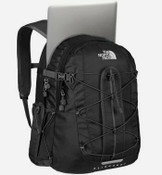
If you need your laptop with you for work or school,
you'll need a bookbag with a laptop sleeve. These backpacks have
vastly different
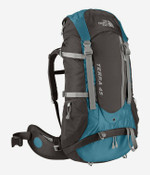
features than a backpack for the person going on weekend hiking
trips, and needs to carry an ice-pick, walking stick, and
extra winter jacket.
- How often you will be using the
backpack - Those using a backpack daily will need one made of a
stronger, more durable material. If you're the type that only wears
backpacks every few months for short day trips, durability and
strength shouldn't be as high of a concern.
- Your personal preferences -
Backpacks come in a huge variety of different styles, prints,
colors, and designs. Once you have an idea of what type of bookbag will
fit you, and what features you need, the only thing left to decide
on is the look!
Top of Page
|
|
Before we can go
on to help you find the right size, type, and color backpack for you,
it's important to understand the parts of backpacks, and what each
part does for you. This will help you determine which
features you need, and which you could do without:
Back Panel
Purpose: The back panel gives the bookbag its structure. It's
also the largest part of the pack that rests on the user. Comfort is an important factor in
finding the right back panel, especially if the backpack is worn for long
periods of time.
Backpacks with padded or vented foam back panels can reduce fatigue and heat, keeping
your back comfortable and dry.
Types:
Padded - Most backpacks have
a foam-padded back panel to improve comfort and cushion your back, while also
creating a protective barrier between your back and the stuff inside the
pack. Padded with Recessed Channel - Designed to take pressure away
from your spine, the recessed channel gives you a more comfortable fit
especially while carrying heavy loads. Moisture Management - Some
brands, such as The North Face backpacks, strategically structure their backpacks to minimize back sweat, using a combination of mesh ventilation
and stitched recess channels.
Shoulder Straps
Purpose: To rest the backpack over
your shoulders. Most of the bookbag's weight rests on your shoulders, if
you don't use a hip belt or sternum strap. Personal comfort is the most
important factor in choosing shoulder straps!
Types: Padded - Most backpacks
have at least a little padding in the shoulder straps to improve comfort.
Injection Molded -
Some bookbags strategically cushion their shoulder straps to deliver
flexibility where it's needed, and protective cushioning in necessary
areas, moving strain away from your collar bone and other pressure
points.
Waist / Hip Belt
Purpose: To distribute the weight of the
backpack from your shoulders to your pelvic bone, to more comfortably bear
and even the weight.
By simply clicking the waist belt around your hips, a heavy pack can
instantly become less straining and more comfortable to
wear for long periods of time.
Types:
Padded/Winged - Wide and cushioned, these hipbelts sit
on your hips more comfortably than a thin strap, which can often dig
into your skin after sustained use. These types of hipbelts are usually
featured on higher-end backpacks, and are meant for backpackers
carrying heavy loads, like hikers, campers, and travelers, who rely on
their backpacks as their central form of luggage.
Straps - Hipbelts
made of a weave of cords are a great option for those who use backpacks
regularly, but only rarely carry heavy loads. Perfect for school or work
use! Removable/Stowable - When hipbelts aren't in use, they can
hang, catch, snag, and get in the way. For backpack users that need a
hip belt, but also you their bookbag for everyday use, this is an
attractive option.

Sternum Straps
Purpose: To pull the shoulder straps closer together, keeping
them in place, and taking strain off of your back and shoulders.
Organization
Purpose: Various organizational pockets throughout the
backpack
hold and organize smaller items, preventing them from getting lost or
forgotten in the bottom of the bag.
Types:
Organizational Pocket - Most backpacks feature one or more compartments with organization pockets. These typically feature slots and areas to hold pens, iPods, cell phones, etc.
Laptop Sleeve - Some backpacks feature a padded sleeve specifically
designed to hold and protect a laptop computer.
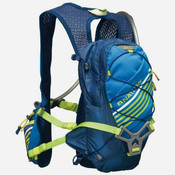
Hydration Compatible -
A pocketed area designed to hold a hydration reservoir in place, with a
hydration tube port, makes staying hydrated easy during long hikes and
walks.
Other Common Backpacks Features:
- Water Bottle
Pockets - Holds water bottles for quick hydration on
hikes or long walks
- Safety Whistle -
A safety whistle attached to the sternum strap of backpacks in The North Face backpacks
collection, helps to let
people know where you are
- Electronics Pocket and Media Port
- Some bookbags include pockets to hold a phone or MP3 player, with a port for
headphones to come out of
- Board Carry - Skate and snowboard
backpacks include two horizontal straps on the outside of the pack to
hold your board
- Shovel Storage Pocket - Brands like Burton
Backpacks include a
storage pocket for a small shovel in some backpacks, meant for building jumps or digging
yourself out of trouble
- Goggle / Sunglasses Pocket - Some brands
include a fleece or plush lined pocket in their backpacks, designed to fit snow goggles or
sunglasses, protecting them from scratches
- Laptop Cord Pocket - Some
bookbags include a separate pocket to keep your laptop cord from tangling
- iPad Compatible -
Recently, new backpacks are making padded pockets to accommodate an iPad
or similar tablet device
- Reflective Details - Designed to increase
nighttime or low-light visibility, these details keep you safe while
walking or riding at night
- Webbing Utility Loops - Located on the
exterior of the bag, these loops hold objects like trekking poles, ice
axes, and other items you wouldn't want to keep inside the backpack, and you
would need quick access to
- Drop / Stash Pockets - Exterior pockets on
the front of backpacks allow easy access and quick storage of
essential items
- Exterior Bungee Cords - These cords give added
structure to the bag and can also be used to hold bulky items outside of
the bag
- Rain Cover - Some hiking backpacks include a rain cover to
pull over the bag to keep it and its contents dry
- Shoe / Laundry / Wet Pocket -
These pockets are often lined with waterproof fabrics, and work to keep
wet, dirty, or smelly clothes or shoes separate from the main
compartment
- Insulated Cooler Compartment - These pockets keep your
lunch or a beverage cool. Typically lined with waterproof fabrics, it
can also act as a wet pocket
Top of Page |
|
Having a backpack that fits your body type
is incredibly important to both your continued comfort and physical
health while carrying the pack. Most backpacks and brands appeal to a
wide variety of body types. Some brands make specific women's backpacks,
with curved, narrower shoulder straps, smaller profiles, shorter torsos,
and wider hip belts to better fit a woman's figure.
Before using your backpack, it's important
to adjust it to properly fit you. Put some weight in the pack to
replicate its actual fit while in use, and adjust the:
- Hip Belt - These should fit snuggly around you waist when
clipped together
- Shoulder Straps - These should be tightened enough so that the
point where the straps meet the pack is just below the large bone at
the base of your neck, at the top where your shoulders meet. The
bottom of your pack should be pulled up to just above your hips, and
should not droop past this point
- Sternum Straps - Fasten these to keep the shoulder straps in
place. These should not restrict your breathing
Top of Page |
|
This should completely depend on what you
need to carry and how you're using the bookbag. If you need a backpack for
elementary school, then look for smaller, more durable backpacks. However,
if you're a regular hiker and camper, a large-capacity hiking backpack is
best for you.
Check out the following scale to help determine which
capacity bag is right for your needs:
1000 - 2500 cubic inches >
School Bookbags for Daily Use
2500 - 3500 cubic
inches >
Surf and Skate Backpacks for Warm-Weather Weekend Trips
4000 - 5000 cubic inches
>
Snowboarding Packs for Cold-Weather Weekend Trips
5000 + cubic inches
>
Hiking Backpacks for Week-Long Backpacking Trips Top of Page |
|
Most modern backpacks are made from
different combinations of polyesters and nylons with varying deniers
(D). Denier is a measurement of fiber firmness, and is typically
measured in weight (grams). Denier is measured by the mass in grams per
9000 meters, so:
9000 meters of a 600D thread = 600 grams
A backpack's fiber combination
and denier thickness can affect its weight, durability, water and
abrasion resistance, feel, color fastness, and most importantly, price!
Check out the following charts to better understand the differences between
the fabrics used in backpacks, and how denier thickness truly affects
the make-up of the bag:
|
Polyester |
Nylon |
- Less durable
- Retains color
- A fiber-like, textured feel
- Water repellant
- Lower resistance to odor and
bacteria
- Low abrasion resistance
|
- More durable than polyester
- Color fades over time
- A silky, smooth feel
- Water absorbent
- Higher resistance to odor and
bacteria
- High abrasion resistance
|
As
Denier increases, so does a backpack's:
Weight:
It will have a
heavier feel
Durability and Strength: The
pack will last longer The backpack can hold heavier loads without tearing or losing its shape
Water Resistance: The product becomes more water resistant
Abrasion Resistance AKA Tenacity: Because of its heavy weight, the
bookbag will become more resistant to tearing
Solidity: The backpack becomes less sheer,
will feel less soft to the touch, and will become sturdier and harder
Price: The price of the backpack will increase as denier increases
*Since nylon is more durable than polyester,
the overall durability of a backpack can often be confused. Typically,
durability increases as the denier count does, but the use of nylon
should be taken into consideration. For instance, a 420D nylon bag will
be stronger than a 600D polyester bag.
Top of Page |
|
Different backpacks, bookbags, and brands use all sorts of materials,
outside of traditional polyester and nylon.
Assess the following glossary to understand which materials are used in
your favorite bookbags, and what they offer: |
|
Term |
Definition |
|
Ballistics Nylon |
Ballistics nylon is made from a ballistic weave (a 2x2 fiber basket
weave) of a varying denier. As the denier increases, the weave becomes
stronger. Ballistics nylon is abrasion and tear resistant, as well as
super durable. Because ballistic nylon is difficult to dye, it is often
found in black or dark colored bookbags. |
|
Cordura |
A brand name synthetic fabric made of nylon, known for its durability and
resistance to tears and abrasions. |
|
Denier (D) |
A measurement of the fineness of a fiber, and is usually measured in
weight (grams). Denier is the mass in grams per 9000 meters. As the
denier of backpacks increases, so do their weight, strength, durability,
water resistance, abrasion and tear resistance, solidity, and price.
|
|
Nylon
|
A
commonly used synthetic fabric in bookbags, known for its durability, and resistance
to abrasion and ripping. |
|
Nylon Ripstop |
A woven nylon fabric, with a gridded reinforced technique. This
reinforcement makes the fabric resistant to tearing. Bookbags with ripstop fabric
can be identified by their gridded texture. |
|
PU Coating
(Polyurethane coating) |
Some backpacks have a PU coating, to increase
water resistance of the fabric. |
|
Phathalate-Free TPE
Laminate |
Toxic Phthalates are not used
in the production of the TPE laminate, which is a highly tear resistant
synthetic fabric. |
|
Polyester |
A
versatile synthetic fabric that can be made from naturally occurring
chemicals, as well as other synthetic materials, such as recycled water
bottles. Natural polyesters can be biodegradable, while synthetic
polyesters are not. Polyester bookbags, although not as durable and strong as
nylon ones, have good durability, are water repellant, retain colors
well, and have a resistance to bacteria. |
|
Polyester Dobby |
A textured weave of polyester, creating a fabric with a textured
look and feel. |
|
Polyester Twill |
A diagonally patterned weave of polyester. Denim is also a twill
fabric - so if you are wearing jeans, take a look! |
|
| Top of Page |
|
How does my personal preference, style, and aesthetics affect my backpack decision?
Backpacks come in all sorts of shapes,
styles, prints, and colors! We even offer a few that are reversible, so
you get two looks to choose the one that best suits your mood. Once you
know which type of backpack you're looking for, have fun choosing which
style fits your personality!

Top of Page |
|