
Baseball Glove Buyers Guide
What makes one baseball glove different from another?
Finding the right baseball glove is admittedly a confusing process. At Sports Unlimited, we have gloves of every size in every position, left handed gloves, fastpitch softball gloves, slowpitch softball gloves, and even a huge collection of pink baseball gloves. And although we are proud of our huge selection, we know it can be near impossible to find the right one for you. With all of this choice, and so many seemingly similar gloves out there, it can be difficult to tell one glove from the next, or understand why some are priced so much higher than others. But it's important to understand that although the form of most baseball gloves is the same, the devil, as they say, is in the details.
Features of a glove's build, its material, and its size, set it apart from others and make it unique. These features also help you determine which glove is right for your game, your position, and your budget. So let's investigate the identifying features of baseball gloves, so you know what to look for, and know what to avoid.
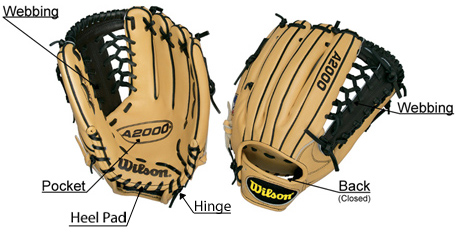
Webbing:
Every baseball or softball glove has a web connecting the thumb of the glove to the fingers. This web helps snag and hold onto the ball, and comes in a huge variety of styles, differing due to position and personal preference.
Webs are broken down into two major groups:
- Closed Web - Generally, catchers, pitchers, and fielders in need of added catching support love closed web gloves.
- Open Web - Infielders and outfielders tend to prefer open web gloves since they make for quicker ball transfers to the throwing hand, and you can see through the glove when catching pop-flys.
Pocket:
The pocket of the glove is the indentation in the palm where the ball falls after it's caught. Pockets are a great indicator of glove use and position, the key here being pocket Depth:
- Shallow Pockets - Perfect for fielders who need to quickly grab the ball and transfer it to their throwing hand, making fast plays and getting the ball to the plate.
- Deeper Pockets - Great for holding onto fly balls and hard hit shots, making them better for outfielders.
Back:
The back of the glove refers to the wrist closure. This choice has less to do with position, and more to do with personal preference, than does choosing a web or pocket, but there are definitely differences between the two types of backs. Most backs are referred to as being either "Open" or "Closed."
- Open Back Gloves - Feature a space above the wrist adjustment, providing more flexibility in the wrist and hand. Open back gloves are typically preferred by infielders who need the mobility and quick turn around.
- Closed Back Gloves - Feature no space, and may utilize a hole where the index finger can rest outside of the glove. Outfielders tend to use closed back gloves, with the addition of a finger hole, for added support when catching flys.
What size glove is right for my age and position?
As you'll see in your searching, baseball gloves come in an assortment of sizes. "12 inch pitcher glove," "11.25 inch infielder glove," "32.5 inch catcher's glove." It seems that the sizing has something to do with the position the glove is meant for, but how do you know which size glove is right for you? If you have big hands, or small hands, should you look for a bigger or smaller glove? What are the differences between adult baseball gloves and youth baseball gloves? Are gloves for infielders smaller than gloves for outfielders?
To answer some of your questions, consult the following chart. It gives you a basic breakdown of the typical glove sizes, and which age and position they're meant for.
| Glove Size (in inches) | Age | Position |
| 9" | Under 8 years old | Infield |
| 11" | Under 8 years old | Outfield |
| 9" - 10" | Between 8 - 13 years old | Infield |
| 11" - 12" | Between 8 - 13 years old | Outfield |
| 10.5" - 11.5" | High School - Adult | Infield |
| 12" - 13" | High School - Adult | Outfield |
Which baseball glove suits my position?
To answer that question, let's take a look at how the features and size of a glove combine to form a glove's "pattern," which creates a glove specially designed for a position and a player.
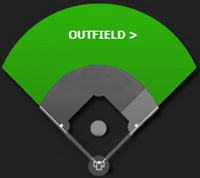
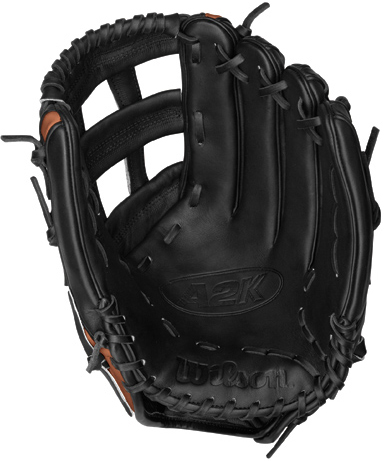
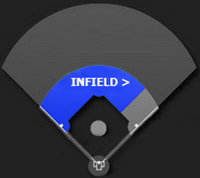
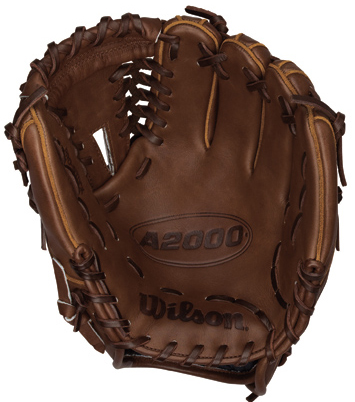
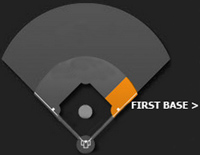
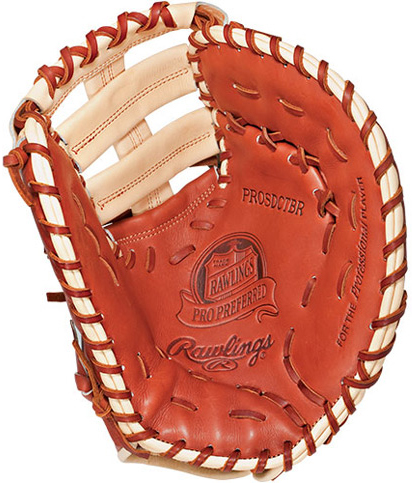
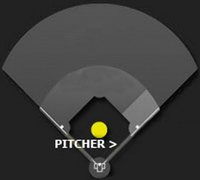
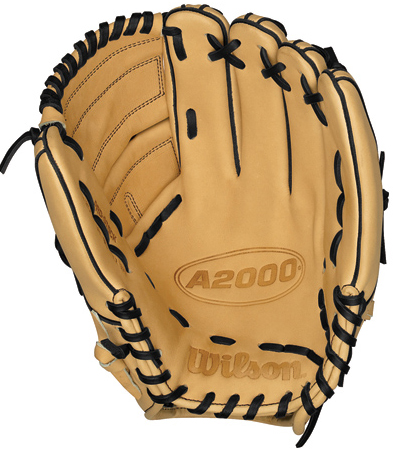
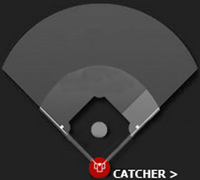
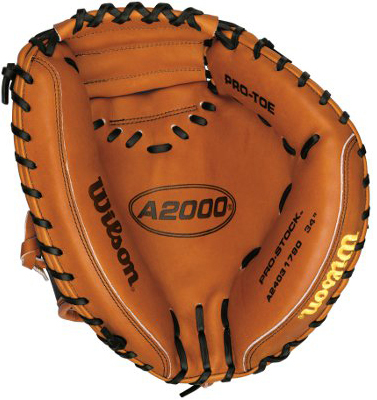
The following chart describes the typical glove patterns associated with each position around the diamond:
| Field Position | Size & Features | |
 |
|
 |
 |
|
 |
 |
|
 |
 |
|
 |
 |
|
 |
Which brand of baseball glove is right for me?
To know which baseball glove brand is right for you, it's important to get to know the brand, its history in the industry, and what their gloves can offer your game:
Wilson
Wilson has been in the baseball biz for as long as most of us can remember. They have created some of the most iconic gloves on the market, and continually revolutionize the game with advanced technologies, premium materials, and player-inspired styles. Wilson is the Official Ball Glove of Major League Baseball and USA Baseball, and is the most trusted brand of gloves amongst college, high school, and youth players. Seasoned pros like Dustin Pedroia, David Wright, Jorge Posada, Melky Cabrera, Roy Oswalt, Brett Myers, Carlos Ruiz, Freddy Sanchez, Ike Davis, and Brian Wilson all trust and wear Wilson baseball gloves on the field. Since their inception, it has been Wilson's dedication to excellence, and its passion for improving the game and how it's played, that has earned them their success.
Today, Wilson continues to be the premier glove of choice for baseball and softball players across the globe. Their full lines of Wilson youth baseball gloves and adult gloves, from the innovative A2K to the high-quality, affordable, and accessible A800 gloves, provides the perfect fit for any player, any skill level, any position, and any budget. They have even recently released brand new Pro Stock Game Model baseball gloves, replicating the game gloves of some of baseball's most popular and successful players, down to their exact specifications and personal tweaks. Now thanks to Wilson 2012 Pro Stock, you can play with the exact same glove that Evan Longoria, David Wright, Josh Hamilton, Brian Wilson, and Dustin Pedroia use!
Popular Wilson glove models
- Wilson A2K
- Price Point: $299.95 - $319.95
- Wilson's premier Pro Stock leather baseball glove, masterfully crafted and formed for the perfect position-specific web, pocket, and feel. Ultimate performance and strikingly original style define the A2K Series.
- Double Palm Construction - 2-layer leather pocket creates impressive glove stability, and makes for a faster break in.
- Pro Stock Select Leather - chosen from the top 5% of Pro Stock hides, triple sorted for consistency and flawlessness, then specially tanned.
- Rolled Dual-Welting - thin strips of Pro Stock leather, rolled to provide a durable shape and improved break-in time.
- 3X More Craftsman Shaping - each A2K glove is shaped and formed by Wilson's master technicians for 3 times longer than other gloves.
- Wilson A2000
- Price Point: $199.95 - $219.95
- The most popular and highest-performing pro-level baseball glove on the market today, the A2000 has consistently changed the game for over 50 years, and is still considered the best-of-the-best for performance, feel, and longevity. Available with Wilson SuperSkin, for lightweight performance, or in Showcase models, for youth players.
- Pro Stock Leather - made with top-choice American Steerhide, sought after by pro players for its durability and unique feel.
- Dual-Welting - twice exposed leather edges of each finger back create a more durable pocket and longer lasting break in.
- Dri-Lex - breathable, moisture-wicking wrist liner keeps the hand cool and dry in the glove.
- Pro Stock Patterns - exclusive designs and patterns inspired and created by pro ball players and game experts.
- Wilson A1000
- Price Point: $89.95
- A hybrid of Wilson's favorite features and technologies, built into pro stock patterns with soft and durable Ecco leather, for incredible performance, fast break-in, and a unique feel. Available with Wilson SuperSkin for a stronger, lighter glove, and in Showcase models for youth players.
- Exclusive ECCO Leather - game-ready softness and durability that improves with ages and use.
- 2X Palm - double layer leather palm creates the perfect pocket shape and improved break-in.
- Pro Stock Patterns - exclusive designs and patterns inspired and created by pro ball players and game experts.
- Low Profile Heel - makes the glove more flexible, opening up the palm and pocket, to help with fielding awkwardly hit grounders.
- Wilson A800
- Price Point: $64.95
- Affordability and impeccable quality come together in Wilson's most accessible pro-level glove. The A800 series utilizes Wilson's popular technologies and premier materials in a low-priced, comfortable, and high-performance glove.
- Exclusive ECCO Leather - game-ready softness and durability that improves with ages and use.
- 2X Palm - double layer leather palm creates the perfect pocket shape and improved break-in.
- Low Profile Heel - makes the glove more flexible, opening up the palm and pocket, to help with fielding awkwardly hit grounders.
Rawlings
For a pro ball fielder, after a World Series ring, nothing is more coveted than an MLB Gold Glove Award. It celebrates excellence in the field, incredible talent, and consistently high performance in every game...and it's brought to you by a company that exemplifies all of those attributes through every glove they make; Rawlings. For over one hundred and twenty years, Rawlings baseball gloves have been synonymous with baseball. They have developed and created some of the game's most memorable gloves, supplying pro and youth players through the generations with high-quality, high-performance gear that has stood the test of time.
Never satisfied, Rawlings continues to lead the industry, creating incredible new technologies, developing the latest comfort and performance innovations, and utilizing premium materials to bring you top-choice gloves that outperform and outplay almost anything else on the field. Always classically styled, Rawlings series gloves can be found across the country, on fathers playing catch with sons, on little leaguers learning and loving the game, on sandlot stars playing pure ball in the park, and tons of pros at the top of their games. Players like Albert Pujols, Joe Mauer, Troy Tulowitski, Buster Posey, Howie Kendrick, Yadier Molina, and Derek Jeter all trust and depend on Rawlings to keep their games sharp.
Popular Rawlings glove models
- Pro Preferred Series
- Price Point: $309.95
- With the best patterns inspired by the top MLB pro players, Rawlings' top-of-the-line Pro Preferred baseball gloves are some of the highest performing, comfortable, and versatile gloves in the game.
- Kip Leather Construction - strong, pliable leather with a smooth, flawless feel delivers a quick and custom break-in to fit your preferences.
- Pittards Palm Lining - performance sheepskin lining feels soft and comfortable against the skin and wicks moisture, keeping your hand cool and dry.
- 100% Wool Padding - helps to form the perfect custom pocket.
- USA Tanned Lacing - 15% stronger than standard Pro lace, with 100 lb tensile strength, and tanned in Rawlings' own Tennessee facility.
- Heart of the Hide
- Price Point: $199.99
- Worn by countless Rawlings Gold Glove Award winners, the Heart of the Hide series combines top pro-level patterns, master craftsmanship, and the world-renown Heart of the Hide Leather, creating top-of-the-line gloves that deliver outstanding performance, quick personalized break in, and years of durable, trusted playability.
- Heart of the Hide Leather - exclusive leather delivers exceptional feel, lasting durability, and makes for a soft, easy break in.
- Trusted by Pros - same series used by Albert Pujols, Ryan Howard, and Prince Fielder
- Player Preferred
- Price Point: $54.99
- Premium materials and performance features meet affordability and accessibility in the Player Preferred series from Rawlings.
- Retro Leather Shell - full-grain leather construction with a retro, weathered look.
- Flex Loop - custom fit back designs for perfect hand and fit adjustments.
- Zero Shock Palm Pads - reduce sting by absorbing impact energy.
Mizuno
Seemingly new to the game, Mizuno has taken the baseball world by storm, quickly becoming an industry leader and incredibly popular glove company, trusted by little league, high school, college, and major league pro players across the country and abroad. The keys to success have been their commitment to excellence, advanced technologies, premium materials, master craftsmanship, revolutionary designs, and player-first approach to the game, which has lead to some of the most interesting, high-performance, and player-preferred gloves on the market.
Never satisfied, Rawlings continues to lead the industry, creating incredible new technologies, developing the latest comfort and performance innovations, and utilizing premium materials to bring you top-choice gloves that outperform and outplay almost anything else on the field. Always classically styled, Rawlings series gloves can be found across the country, on fathers playing catch with sons, on little leaguers learning and loving the game, on sandlot stars playing pure ball in the park, and tons of pros at the top of their games. Players like Albert Pujols, Joe Mauer, Troy Tulowitski, Buster Posey, Howie Kendrick, Yadier Molina, and Derek Jeter all trust and depend on Rawlings to keep their games sharp.
Popular Mizuno glove models
- Global Elite
- Price Point: $199.95 - $399.95
- Lightweight performance delivers ultimate control for the elite play in these advanced and premium gloves.
- E-Lite Leather - incredibly soft and light for maximum performance and control.
- Counter Balanced - weight removed from the fingers of the glove deliver enhanced control and a lightweight, comfortable feel.
- Roll Welting - increased structural integrity and added support throughout the fingers, while still providing a fast break in.
- Classic Pro Soft
- Price Point: $159.95
- Ridiculously soft, naturally pre-oiled, and durably rugged leather makes for one of the game's most effective and comfortable gloves.
- Throwback Leather - ruggedly durable, rich in color, and naturally pre-oiled to break in quickly and maintain its shape for years to come.
- Ultra Soft Pro Palm Liner - new liner with a soft finish for an incredibly unique and comfortable feel.
- Roll Welting - increased structural integrity and added support throughout the fingers, while still providing a fast break in.
- MVP Prime
- Price Point: $94.95
- Perfectly balancing feel and performance, the MVP Prime utilizes oil-soft and flawless leather and thicker stitching for comfort and flexibility, with a structured, firm response.
- Oil Soft Plus Leather - delivers a smooth, professional feel.
- Center-Pocket Design - puts the pocket right in your palm.
- Thick Stitching - provides stronger structure and a firm response to the glove.
- Steer-Soft Palm Liner - ultra-soft palm lining improves comfort and reduces catching sting.
- Prospect Series
- Price Point: $25.95 - 47.95
- Mizuno's premier youth glove, the Prospect Series gives young ball players the tools they need to develop into star fielders and pitchers.
- Power Close Technology - makes the glove easier to snap shut when catching.
- V-Flex Notch - designed to fold the leather correctly, making for a smooth close.
- SureFit Foam - makes for a comfortable and secure fit around smaller hands.
- ParaShock Palm Pad - reduces the sting of catching hard hit balls.
- Hi-Low Lacing - makes for a more flexible web.
Other popular baseball glove brands include
- Affordable and quality gloves for long-lasting performance and regular use
- Most well known for the Natural Elite glove series
- Made of incredibly strong U.S. steerhide
- Bio-Dri moisture wicking technology lines the finger stalls
- VRS Palm Pad reduces sting
- Position-specific pattern
Louisville Slugger TPX Baseball Gloves
- Advanced and pro-level gloves for serious ball players
- Known for the Pro Flare, Omaha Flare, and H2 Lite baseball gloves
- Professional-grade materials, advanced technologies, and position-specific patterns make TPX gloves perfect for middle school, high school, and collegiate level players
- For over 80 years, every Nokona glove has been crafted in Nocona, Texas
- Check out the differences between the Nokona X2 Elite and Rawlings Pro Preferred