
|
Frequently Asked
Lacrosse Helmet Questions:
|
|
How is a lacrosse helmet designed?
To protect your head, neck,
and face from injury on the field, lacrosse helmets are designed for
full cranial protection. That means a complete shell surrounds the head,
and integrates with a full facemask for total protection. When worn
properly, lacrosse helmets protect you from hard shots, high checks, and
reduce the risk of concussions and spinal injuries.
Below are the parts
of a lacrosse helmet, which may vary slightly from helmet to helmet.

Hard plastic shell
- Usually a single piece of impact-resistant, lightweight plastic or
polycarbonate, the shell protects your head from impact without holding
you back with added weight. Great helmets add ventilation holes and
technologies into the shell for a more comfortable feel.
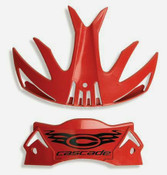
Visor - When
fitted properly, the visor keeps the sun out of a player's eyes,
without obscuring vision. Typically integrated with the shell piece for
a rigid protection system.
Thick internal padding
- The shell is lined with durable, impact-absorbing foam to disperse
impact energy and protect the head from concussions and other injuries.
Metal facemask -
Typically made from strong, lightweight metals such as tungsten or
steel, the grid-patterned facemask provides facial protection without
obscuring visibility. High-performance helmets should provide wide
facemasks for greater range of vision.
Chin bar -
Integrated into the shell, the chin bar is designed to protect the chin while allowing easy communication and
ventilation. Injection molded, or filled with fiberglass for a rigid,
durable construction, the chin bar manages impact energy from front
hits.
Chin straps -
Designed to improve fit and keep the helmet and chin bar in place while
in motion.
Top of Page
|
Why do I need a lacrosse helmet?
Men's lacrosse is a full-contact, high-impact sport.
Lacrosse padding and helmets keep players safe from stick checks, impacts between
players, and hard shots and passes. They keep the face, head, and neck
safe from injuries and abrasions.
Without a helmet, a player could be hit with a shot and end up with
serious injuries to the face, or even a major concussion. When you wear
a high-grade helmet, you can take a hit like that and walk off the
field uninjured, or even continue playing.
Top of Page |
Does my lacrosse league require me to wear a helmet?
Helmets are required in all men's lacrosse and most youth boy's lacrosse
leagues. Womens and girls lacrosse operate under different rules,
reducing physical contact between players, and making helmets optional.
Typically, female lacrosse players only wear lacrosse goggles to protect
their face and eyes from high shots and accidental impacts. Only
goalies in women’s lacrosse are required to wear helmets.
Top of Page |
How do I fit my lacrosse helmet?
When fitting a
lacrosse helmet, it’s important to keep things snug, but
comfortable. A safe helmet is one that stays on the head, doesn't
shift as you move, and provides good visibility.
Most modern
lacrosse helmets come in one size, with a micro-adjuster knob in the
back. This knob tightens or loosens the helmet around the head,
giving you a perfectly snug fit.
To properly fit a
lacrosse helmet:
-
Put your forehead in first,
making sure your ears are
comfortably tucked in.
-
Adjust the knob for a snug fit in the back.
-
Adjust the chin straps so you are still able to open your mouth and talk without disturbing the fit of the helmet
-
Keep the visor pretty low over the eyes.
-
Adjust the tilt of the helmet properly, so you are looking through the top bars of the facemask.
When a helmet fits correctly, it
should sit squarely on the head, with the front of the
helmet approximately one finger's width above the eyebrows, so
it will protect the forehead. The helmet's padding should fit firmly
on the head without being so tight as to give you a headache.
However, the skin of your forehead should move as you move the
helmet back and forth. Tighten the chin strap so there's no slack,
for a perfect fit, and you are good to go!
Top of Page |
What is helmet Tilt and how does it affect the helmet's fit and safety?
The term
"tilt"
refers to the look of
the helmet as it sits on the player's head. More accurately, it
describes how low the helmet sits
on your head. Tilt is mostly for style, and is desired by most
players for its intimidating look on the field.
Tilt has other uses
besides making a player look menacing though. Angling the helmet correctly also helps with proper
visibility and chin protection. Without tilting most helmets, you will look through the
middle bar, which is incorrect and provides poor visibility. Tilting
the helmet lets you see through the top bar sections, and delivers proper chin protection. Top of Page |
Can I customize a helmet to fit my preferences or team colors?
At Sports
Unlimited, we offer total customization on a majority of our
lacrosse helmets. With popular styles such as the
Cascade Pro 7 Mens
Lacrosse Helmet, and
Cascade CPX Standard Mens Lacrosse Helmet,
players, parents, and coaches can
select helmet, visor, and chin
guard colors as well as decal options to completely customize their
helmet. With almost endless combinations, you can get the exact look
you want, and the safety you need, to play like a star on the field!
Check out our lacrosse helmet customizer below, to see what your helmet will
look like: (colors may not be exact depending on monitor settings)
Top of Page |
|