
The Complete Guide to the Football Route Tree
Posted by Lou Rusnock on May 19th 2026
- What Is a Receiver Route Tree?
- Here Is How a Standard System Typically Breaks Down
- How the Route Tree Is Structured
- What Routes Are Actually Designed to Do
- Route Combinations and Advanced Concepts
- Sports Unlimited: Gear Up for the Right Route
- Frequently Asked Questions
What Is a Receiver Route Tree?
The Short Answer: A receiver route tree is a numbered system of pass routes that gives quarterbacks and receivers a shared language for timing and execution. It typically includes nine core routes, numbered 1 through 9, and is designed to create openings in defensive coverage.
Here Is How a Standard System Typically Breaks Down
1. Flat Route
A short, horizontal route near the line of scrimmage. Common in short-yardage situations and screen concepts.
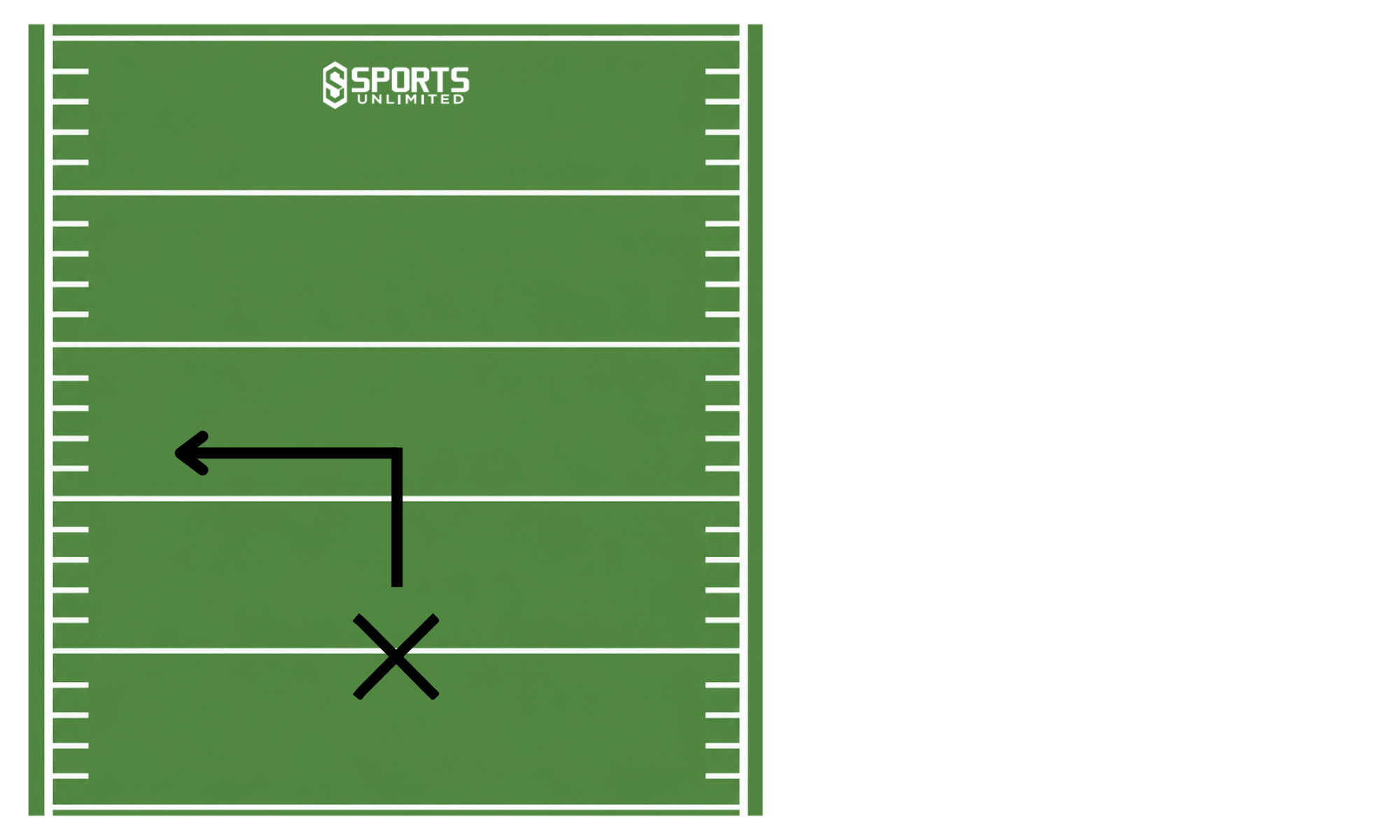
2. Slant Route
A quick inside-breaking route at a 45-degree angle after a short vertical stem. One of the most common routes in football.
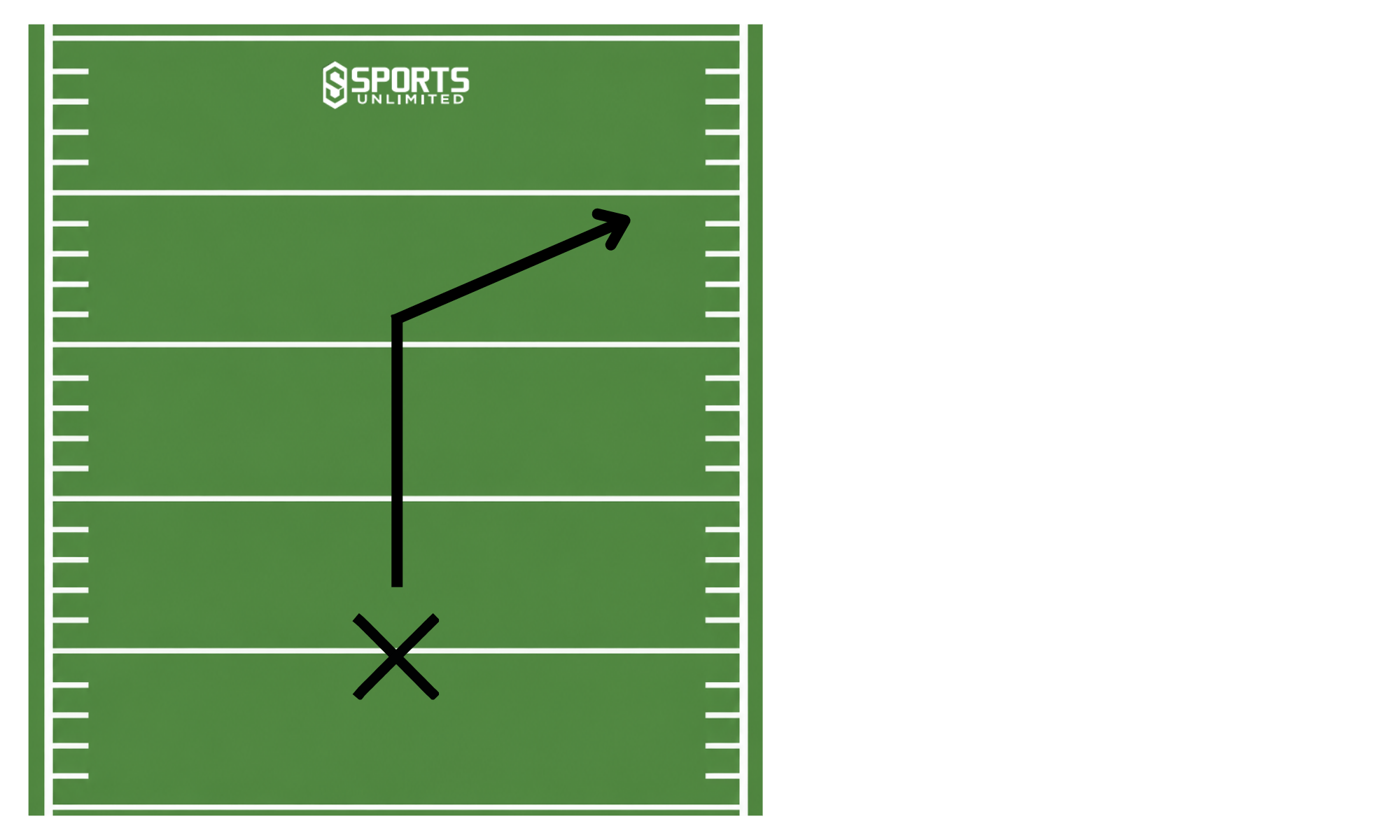
3. Comeback Route
The receiver runs deep, then breaks back toward the quarterback at 12 to 15 yards. Attacks defensive backs playing off coverage.
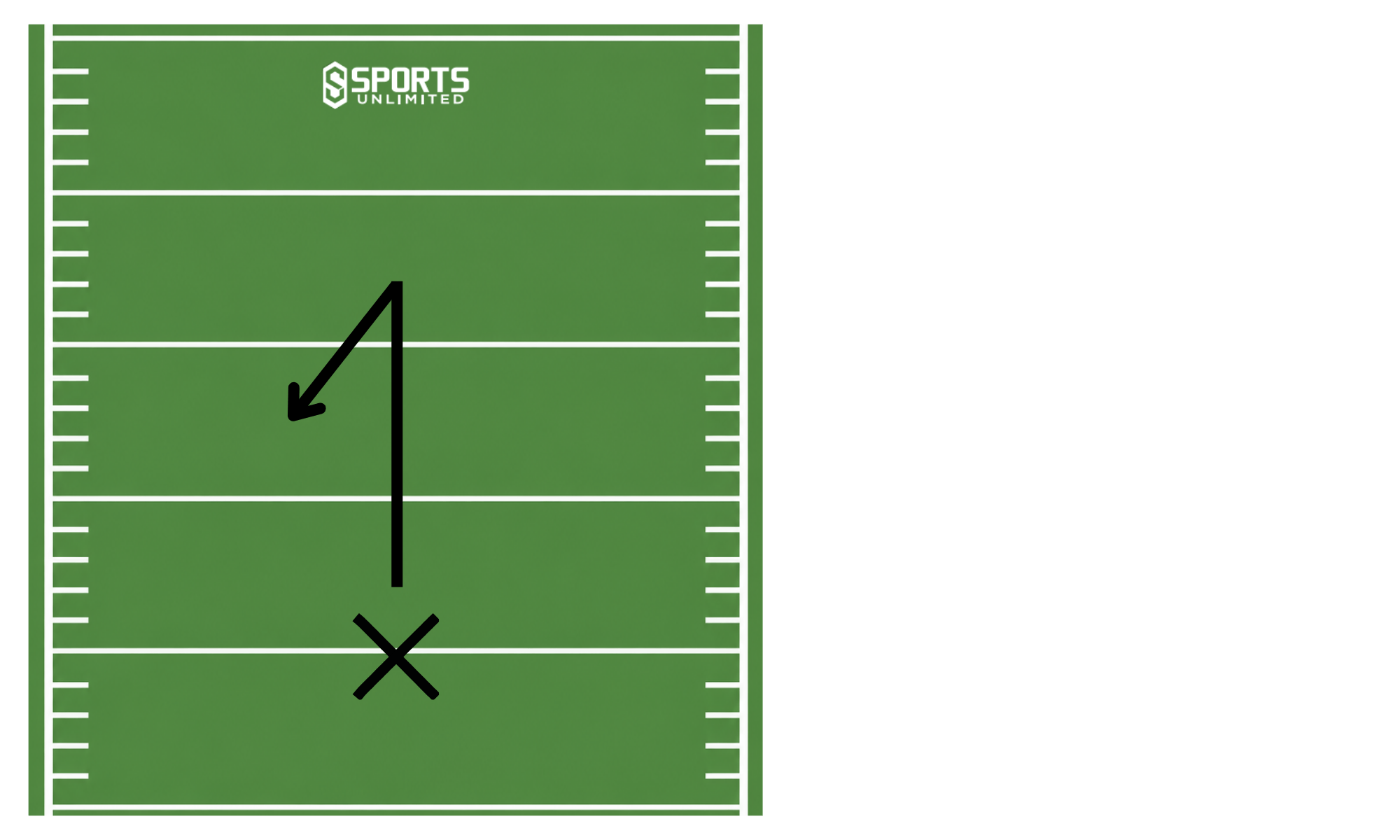
4. Curl Route
Similar depth to the comeback but breaks inward. The receiver stops and faces the quarterback, sitting in open space against zone coverage.
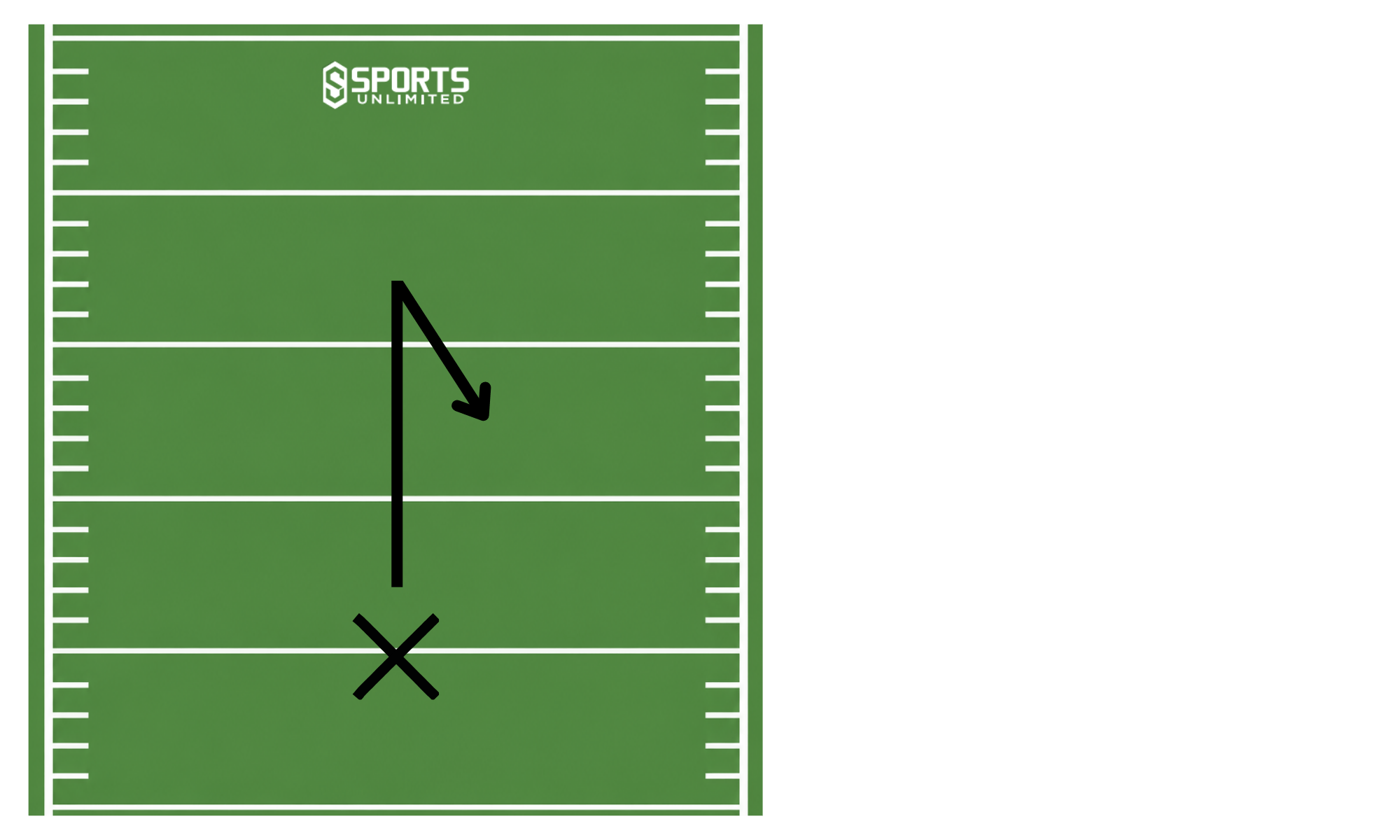
5. Out Route
A vertical stem followed by a 90-degree break toward the sideline. Timing and precision are critical here.
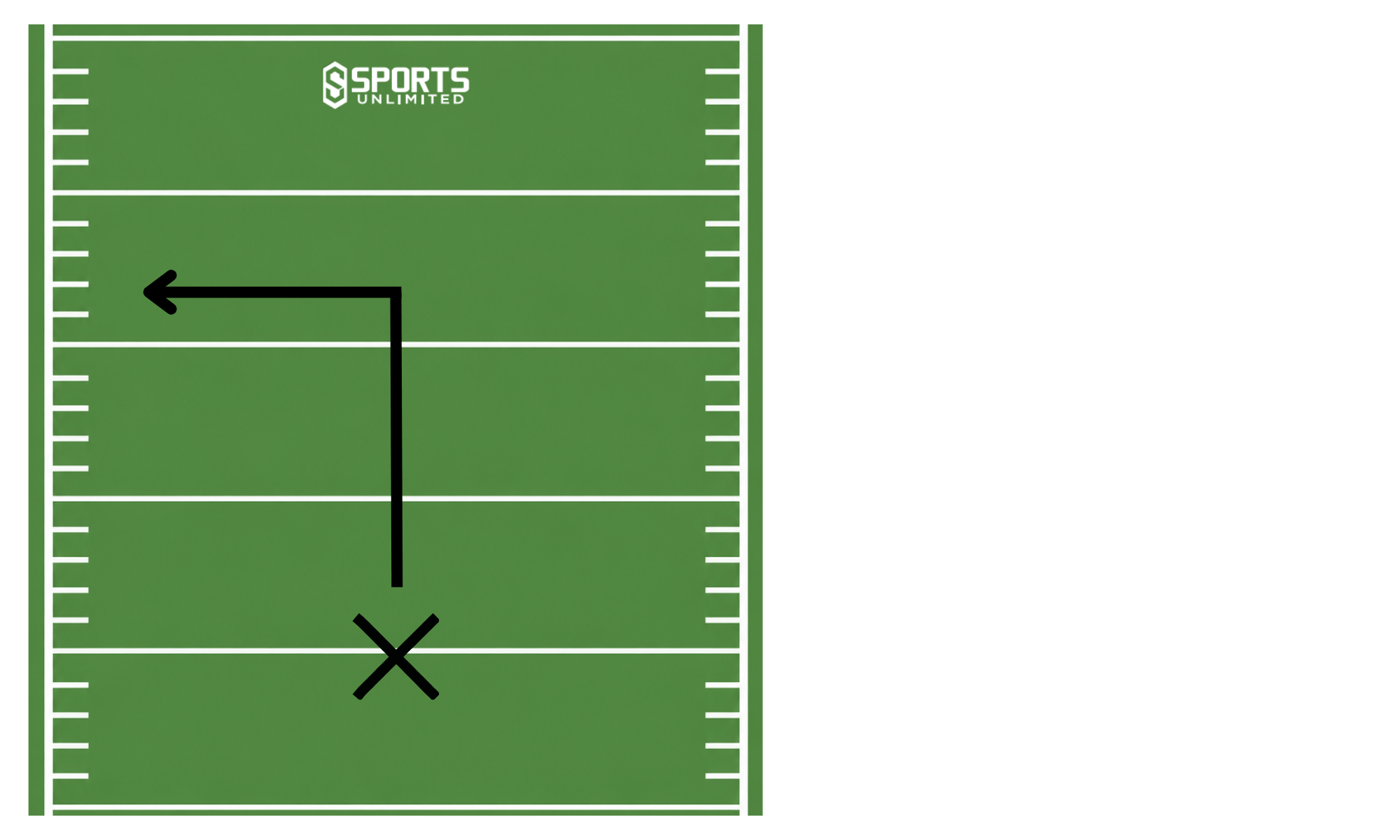
6. Dig Route
An in-breaking route at 12 to 15 yards depth. Attacks the middle of the field and stresses linebackers and safeties in zone coverage.
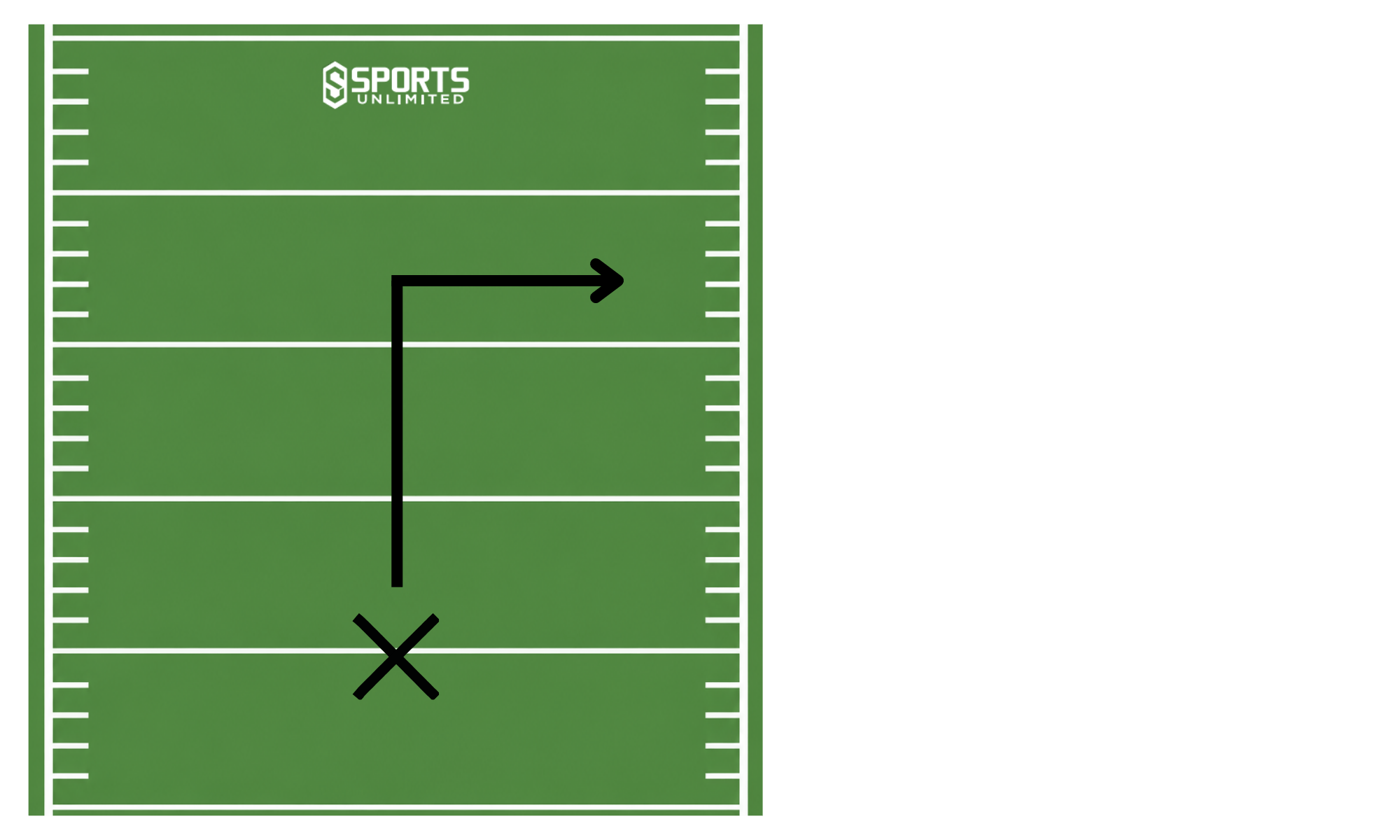
7. Corner Route
The receiver breaks at a 45-degree angle toward the back corner of the end zone. Effective against man coverage and inside-leveraged defensive backs.
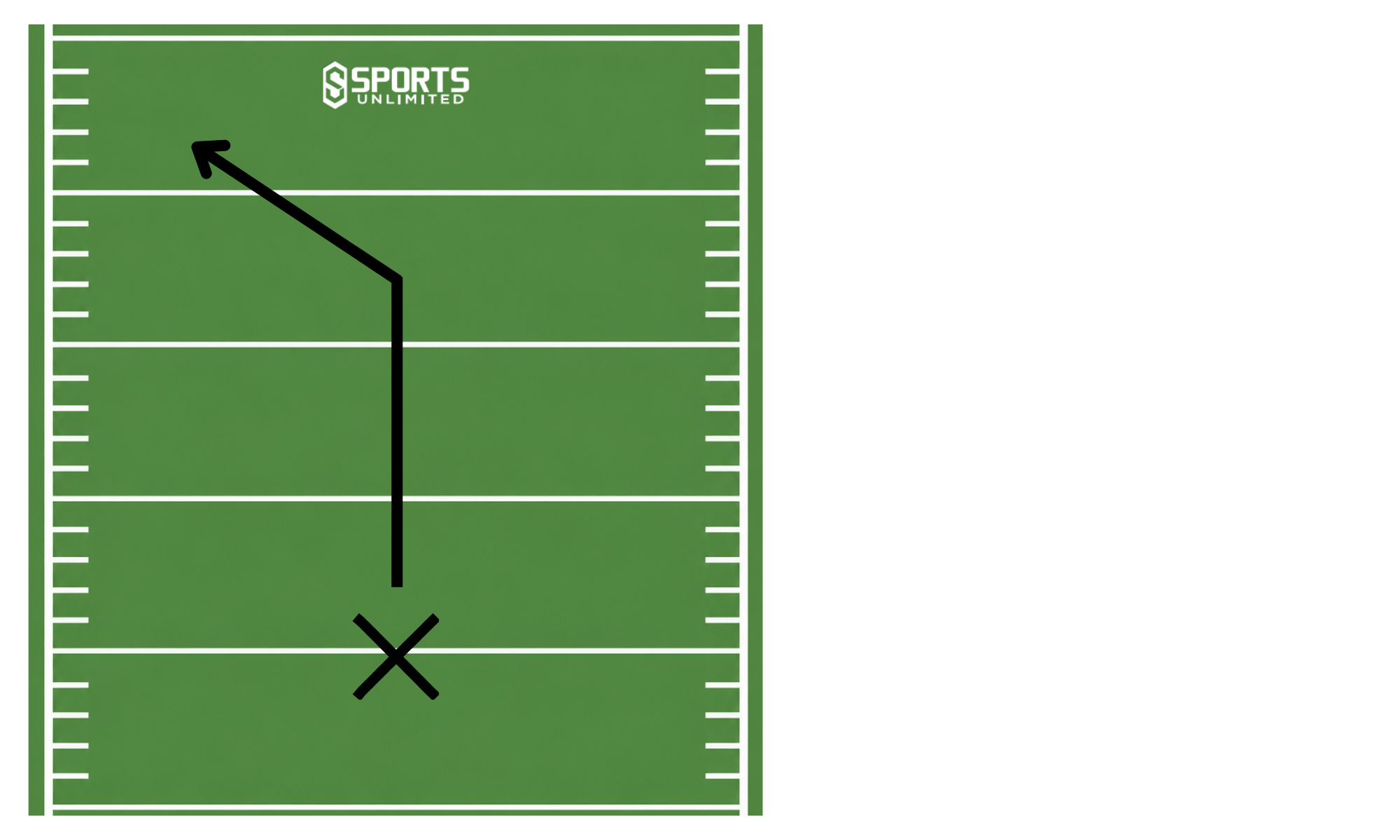
8. Post Route
The receiver breaks inside at a 45-degree angle toward the goal post. A skinny post variation targets the window between two safeties.
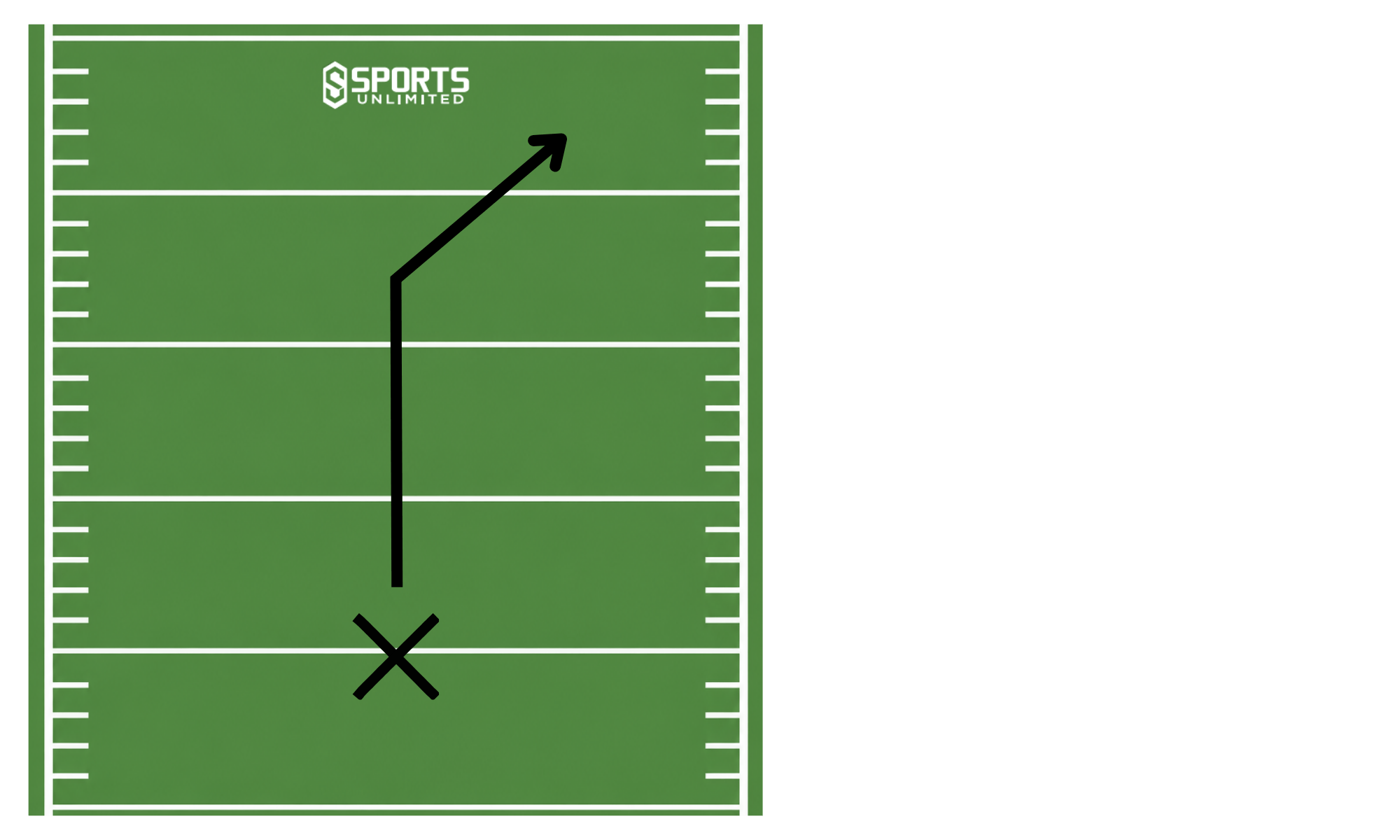
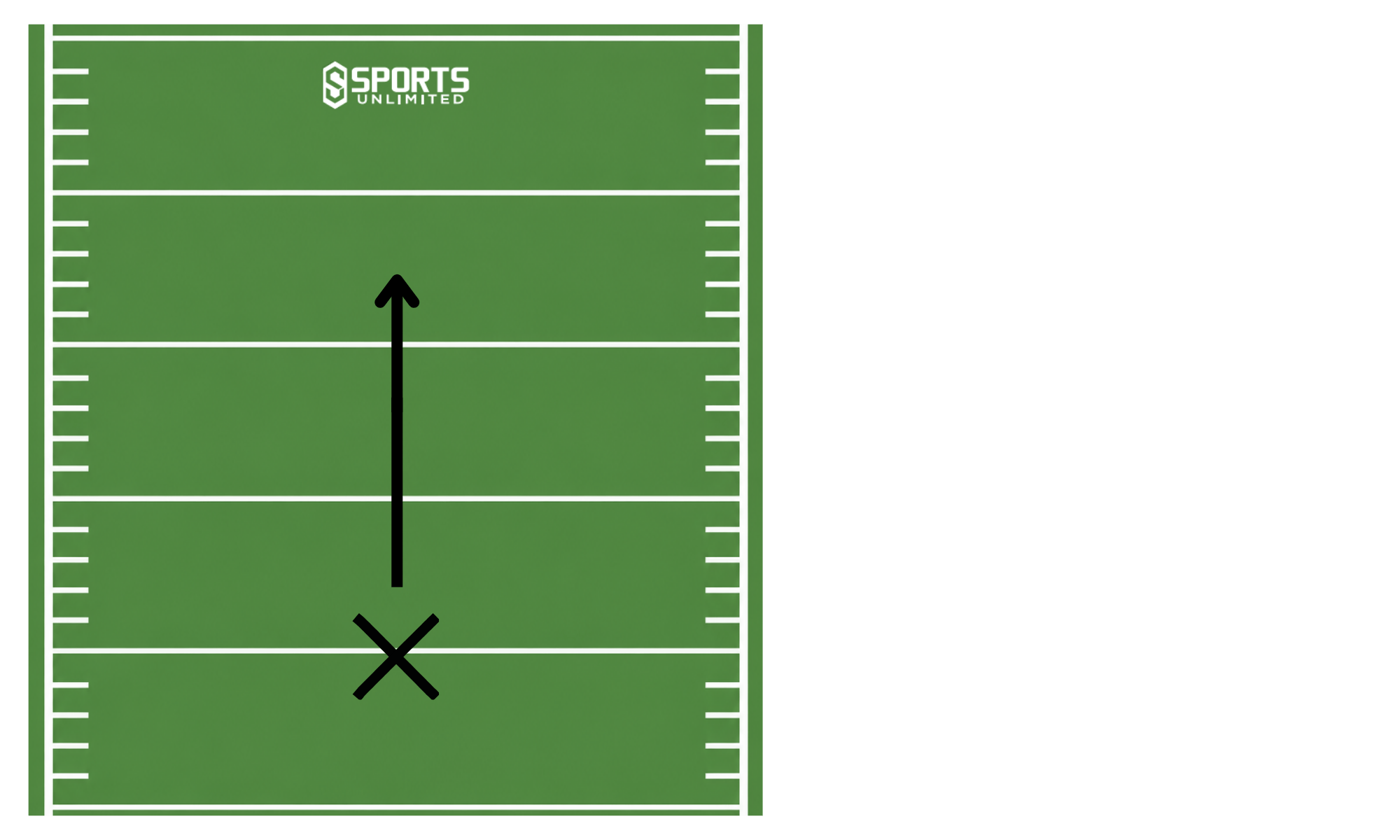
9. Go Route
A straight vertical route designed to beat man coverage deep or attack the back of the end zone. Also called a fade route near the goal line.
Every passing play starts with a route. But individual routes don't exist in isolation. They're part of a larger system called the route tree, and understanding that system is what separates players who run to a spot from players who win matchups and get open when it counts.
Why the Route Tree Matters
The route tree gives offenses structure. When a quarterback and wide receiver are on the same page, the passing game becomes faster and harder to defend. This guide breaks down how the route tree works, what each route is designed to do, and how routes are combined to attack different defensive coverages.
How the Route Tree Is Structured
The Numbering System
Most route trees number routes from 1 to 9. A common pattern across many offenses is that even-numbered routes break inside toward the middle of the field, while odd-numbered routes break outside toward the sideline. The go route, usually numbered 9, is the vertical exception that runs straight up the field without a break.
That being said, this system is not universal. NFL teams, college programs, and youth offenses all adjust numbering, route depths, and terminology based on their offensive scheme. The framework gives players a starting point, not a rigid standard. For a deeper look at how routes are tracked and classified at the pro level, NFL Next Gen Stats breaks down their route recognition model and what it reveals about how often each route is actually run in the NFL.
Short, Intermediate, and Deep Routes
Routes also fall into three depth categories:
- Quick routes (0 to 5 yards): Flat routes, slant routes, drag routes, and screens. Used to get the ball out fast and let the receiver work after the catch.
- Intermediate routes (6 to 15 yards): Curl routes, dig routes, crossing routes, and out routes. These attack zone coverage windows and create conflict for linebackers.
- Deep routes (15-plus yards): Post routes, corner routes, and go routes. These stretch the defense vertically and create big-play opportunities in one-on-one matchups.
What Routes Are Actually Designed to Do
Creating Separation
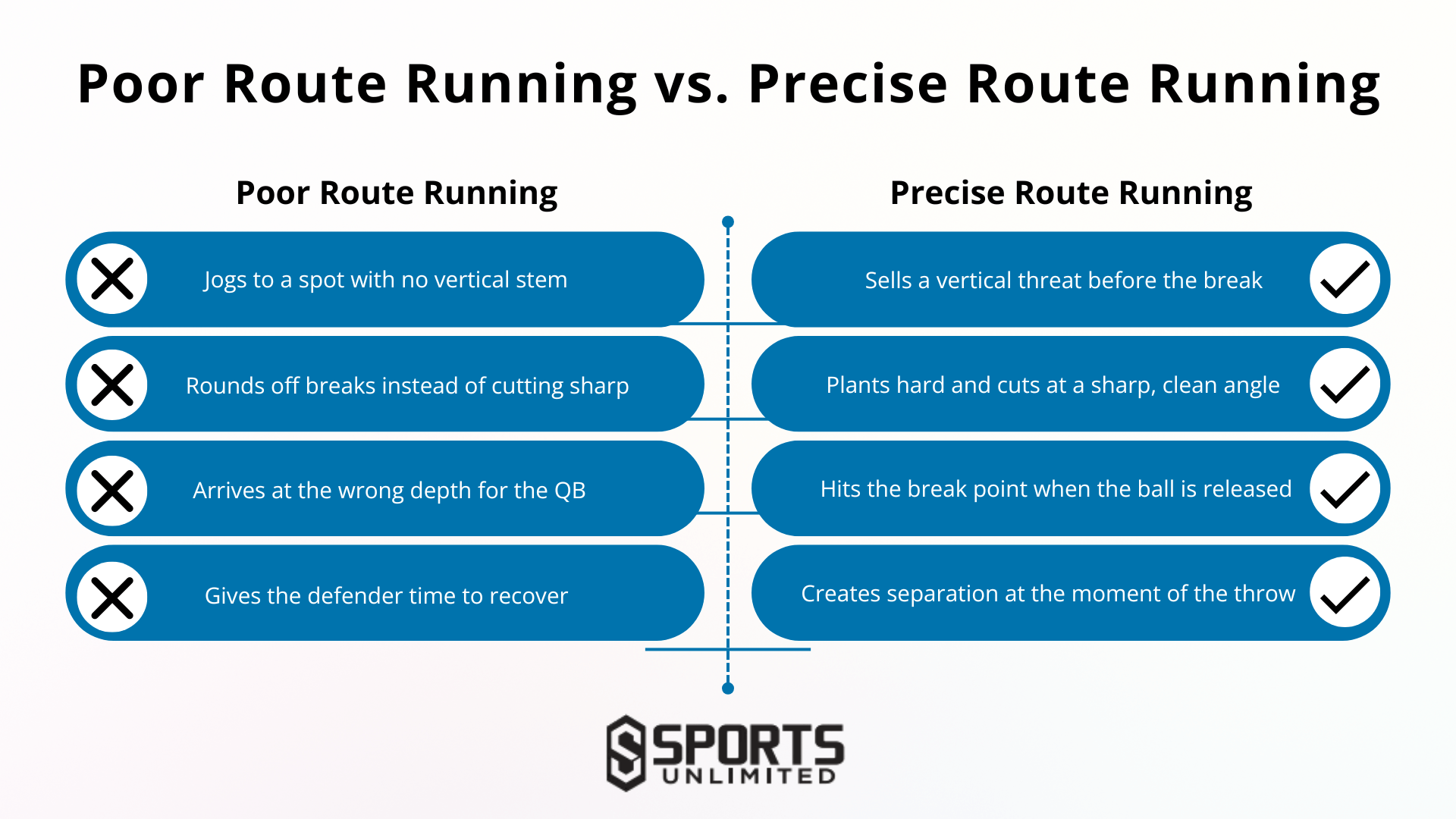
The purpose of a route is not to run to a designated spot. The real goal is to create separation from a defensive back so the QB has a clean throwing window. Three elements make that happen:
- The vertical stem: The initial push up the field before the break. A strong stem forces the defender to respect the threat of a deeper route.
- The route break: The cut point where the receiver changes direction. A sharp break creates separation at the exact moment the ball is thrown.
- Timing with the quarterback: The ball should be in the air at or just before the break. This chemistry is built through repetition.
Attacking Coverages
Routes are designed with specific coverages in mind. A slant route can split two defenders in soft zone, while a comeback or curl route attacks a defensive back who is playing with cushion. A corner route targets the open space behind a defensive back with inside leverage, making it a strong option against man coverage. Understanding which routes put stress on coverage is what allows an offensive coordinator to attack a defense with a plan rather than running plays at random. For a full breakdown of defensive coverage types and how offenses attack them, vIQtory Sports offers a detailed coaching guide to football routes.
Route Combinations and Advanced Concepts
Why Combinations Matter More Than Individual Routes
While individual routes are important, route combinations are the real weapon. When an offense pairs two or more routes on the same side of the field, it forces defenders into a position where they cannot cover everything.
Curl-Flat Combination
A classic example is the curl-flat combination. The outside receiver runs a curl route at 10 to 12 yards while a running back or tight end releases into the flat. The flat defender cannot cover both — if he drops for the curl, the flat is open. If he widens for the flat, the curl sits open. The quarterback reads the defender and throws to the open receiver.
Four Verticals
Four verticals is another well-known combination, sending four eligible receivers on go routes simultaneously. This forces safeties to choose which deep routes to help on, often leaving at least one receiver in a favorable matchup.
Option Routes and Double Moves
Option routes let the receiver read the coverage at the snap and adjust accordingly. Against man coverage, the receiver might run a go route, while the same play converts to a curl or sit route against zone. Either way, these concepts require tight quarterback-receiver chemistry because the timing window is narrow.
Double moves build off the same idea. The receiver sells a short break, gets the defensive back to commit, then accelerates into a deeper route. Both concepts are rooted in a strong understanding of the base route tree, and a receiver who knows the fundamentals is far better equipped to execute them.
Sports Unlimited: Gear Up for the Right Route
Understanding the route tree is one part of developing as a receiver or quarterback. Having the right gear is the other.
Football Gear Built for Every Level
Sports Unlimited has served football players and families since 1983. From youth athletes working on their first slant routes to high school receivers preparing for the next level, the right equipment makes a difference. Sports Unlimited carries helmets, shoulder pads, and accessories from the top brands in the game.
Orders placed before 3 PM ship the same day. Select products also qualify for free 2-day shipping. The site offers one of the best helmet customization experiences available, handled in a single checkout process.
Team and Bulk Orders
Coaches and program directors can reach out directly for bulk orders and team quotes. Browse the Sports Unlimited football lineup and get equipped to run every route on the tree.
Frequently Asked Questions
What is a route tree in football?
A route tree is a numbered system of pass routes, typically 1 through 9, that gives quarterbacks and receivers a shared framework for timing and execution. It organizes routes from short to deep and gives offenses a common language for play calling.
Do all NFL teams use the same route tree?
No. The route tree is a general framework, not a universal standard. Teams adjust numbering, route depths, and terminology based on their offensive scheme. What one team calls a dig route, another may label differently.
What is the difference between a post route and a skinny post?
A post route breaks at a 45-degree angle toward the goal post and attacks the deep middle of the field. A skinny post is a tighter variation that splits the window between two safeties at a sharper angle. Both are deep routes, but the skinny post targets a narrower throwing window.
What is an option route?
An option route is a route where the receiver reads the defensive coverage at the snap and adjusts the path based on what the defense shows. Against man coverage, the receiver runs one route type. Against zone, the same play converts to a different route that finds open space.
Why do route combinations matter more than individual routes?
Because individual routes are easier to cover in isolation. When two routes are paired on the same side of the field, they force a single defender into a conflict. The quarterback reads that defender and throws to whichever receiver comes open. This is how offenses consistently create open receivers at every level of football. If you're looking to build your route-running fundamentals, NFL FLAG's wide receiver drills page is a solid starting point for players at any level.